

Wholesale Auto Parts in Miami
Wide Selection of Auto Parts for All Vehicle Makes and Models
Since 1961
Essential Guide to Vehicle Suspension System: Components, Wear Signs, & Replacement Intervals
Understanding your vehicle’s suspension system is vital for a smoother ride, safer handling, and longer tire life. Here’s a breakdown of major suspension components, how they function, what to watch for as they wear out, and when to consider replacement or maintenance.

Shocks & Struts
Function:
Shock absorbers and struts dampen spring movement, absorb road impacts, control body motion, and keep tires planted for optimal handling and ride comfort
Signs of Wear:
-
Excessive bouncing after bumps
-
Nose-diving during braking or rear-end squatting when accelerating
-
Fluid leaks around struts
-
Uneven tire wear and poor control through turns
Replacement Interval:
Inspect every 50,000–60,000 miles; replacement usually needed between 50,000–100,000 miles, depending on driving conditions
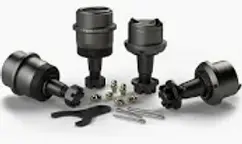
Ball Joints
Function:
Ball joints are the pivot points linking control arms to the steering knuckles, allowing smooth steering and suspension motion
Signs of Wear:
-
Clunking or knocking noises over bumps or during turns
-
Vibrations or wandering steering at higher speeds
-
Premature or uneven tire wear
Replacement Interval:
Often last the lifetime of the vehicle—but for vehicles over 150,000 miles, or with visible wear, inspect every 30,000–50,000 miles

Control Arms
Function:
Connect the wheel assembly to the vehicle frame; essential for wheel alignment, stability, and steering response .
Signs of Wear:
-
Clunking or knocking over bumps
-
Steering vibration or instability
-
Misalignment and uneven tire wear
Replacement Interval:
Inspect every 30,000–50,000 miles, especially on rough roads. Replacement may be needed sooner if symptoms appear
123-456-7890


Suspension & Steering Bushings
Function:
Rubber or polyurethane bushings cushion components, absorb vibration, and reduce noise
Signs of Wear:
-
Cracks, tears, or “dry rot” in the rubber
-
Increased road noise or steering vibration
-
Uneven tire wear
Replacement Interval:
Inspect at major service intervals (~50,000–100,000 miles) or if symptoms appear. Replace if tearing or significant deterioration is detected


Tie Rods & Sway Bar Links
Tie Rods:
Essential for steering control; inspect every 20,000–40,000 miles. Replace if steering feels loose or noisy
Sway Bar (Stabilizer) Links:
Help reduce body roll in corners; inspect every 50,000 miles and replace if clunking sounds appear while cornering
Ball Joints
Function:
Ball joints are the pivot points linking control arms to the steering knuckles, allowing smooth steering and suspension motion
Signs of Wear:
-
Clunking or knocking noises over bumps or during turns
-
Vibrations or wandering steering at higher speeds
-
Premature or uneven tire wear
Replacement Interval:
Often last the lifetime of the vehicle—but for vehicles over 150,000 miles, or with visible wear, inspect every 30,000–50,000 miles


Control Arms
Function:
Connect the wheel assembly to the vehicle frame; essential for wheel alignment, stability, and steering response .
Signs of Wear:
-
Clunking or knocking over bumps
-
Steering vibration or instability
-
Misalignment and uneven tire wear
Replacement Interval:
Inspect every 30,000–50,000 miles, especially on rough roads. Replacement may be needed sooner if symptoms appear
Suspension & Steering Bushings
Function:
Rubber or polyurethane bushings cushion components, absorb vibration, and reduce noise
Signs of Wear:
-
Cracks, tears, or “dry rot” in the rubber
-
Increased road noise or steering vibration
-
Uneven tire wear
Replacement Interval:
Inspect at major service intervals (~50,000–100,000 miles) or if symptoms appear. Replace if tearing or significant deterioration is detected
