

Wholesale Auto Parts in Miami
Wide Selection of Auto Parts for All Vehicle Makes and Models
Since 1961
Drilled vs. Non-Drilled Rotors: What’s the Difference and Which Is Better?


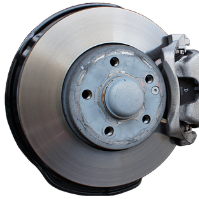
When it comes to upgrading your braking system, choosing the right type of brake rotors is essential. Among the most common options are drilled rotors and non-drilled rotors (also known as solid rotors). But how do these two rotor types compare, and which one is better for your driving needs?
In this guide, we’ll break down the key differences between drilled and non-drilled rotors, including their performance, durability, and ideal use cases.
Which Is Better for Daily Driving?
For most people, especially those driving sedans, SUVs, or light trucks, non-drilled rotors are the better and more practical choice. They are:
-
Quieter
-
Less prone to damage
-
Cheaper to maintain
However, if you drive a performance vehicle or live in a mountainous area with frequent braking, drilled rotors might provide the extra performance you need.

What Are Drilled Rotors?
Drilled rotors are brake rotors that have holes drilled through the disc surface. These holes are designed to:
-
Improve heat dissipation
-
Reduce brake fade
-
Allow gases and moisture to escape
-
Enhance performance under high-stress conditions (like track or performance driving)
Because of these benefits, drilled brake rotors are a popular choice for sports cars and performance vehicles that demand consistent braking under heavy use.

What Are Non-Drilled Rotors?
Non-drilled rotors, often referred to as solid rotors, have a smooth surface with no holes or slots. They are typically used in standard passenger vehicles and offer:
-
Better durability over time
-
Reduced risk of cracking under stress
-
Quieter and smoother braking
-
Lower cost compared to performance rotors
For most drivers, non-drilled brake rotors are more than sufficient for everyday use and city commuting.
Drilled Rotors
Pros:
-
Better performance under heat
-
Reduces brake fade
-
Improved water dispersion in wet conditions
Cons:
-
Can crack under extreme use
-
More expensive to replace
Non-Drilled Rotors
Pros:
-
Durable and long-lasting
-
Affordable
-
Quiet and smooth
Cons:
-
Less heat dissipation
-
Can suffer from brake fade under high stress
Related Searches:
-
Drilled vs slotted rotors
-
When to replace brake rotors
-
When to replace your brake rotors
-
Why your brakes might be squeaking

Final Thoughts: Drilled or Non-Drilled?
Choosing between drilled vs. non-drilled rotors depends on how and where you drive. If you need enhanced performance and heat management, drilled rotors are a strong option. But for everyday reliability and cost-effectiveness, non-drilled rotors are hard to beat.
No matter which you choose, always pair your rotors with high-quality brake pads and get them installed by a trusted mechanic.