

The Importance of Brake Maintenance: Signs You Need to Replace Your Brake Pads
When it comes to vehicle safety, few components are as critical as your brakes. Regular brake maintenance is essential to ensure you can stop quickly and safely—whether you’re navigating city streets, cruising on the highway, or driving in challenging weather conditions. Neglecting your brakes doesn’t just risk costly repairs—it can put you and others in serious danger.
In this article, we’ll cover why brake maintenance matters, the top signs your brake pads need replacing, and tips to keep your braking system in peak condition.
Why Regular Brake Maintenance Is Important for Safe Driving
Your braking system is your first line of defense against accidents. Over time, brake pads, brake rotors, and brake fluid naturally wear down from regular use. Without proper maintenance, you risk:
-
Longer stopping distances
-
Brake fade during emergencies
-
Costly rotor or caliper damage
-
Higher accident risk
Scheduling routine brake inspections and replacing worn components promptly ensures optimal safety and avoids expensive repairs.
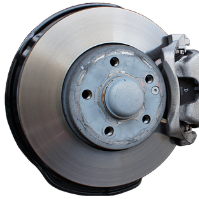

Top Signs Your Brake Pads Need Replacing
1
Squealing or Grinding Noises When Braking
A high-pitched squeal is a built-in warning from your brake pad wear indicator. A grinding sound means your pads are worn to the metal backing plate, damaging your rotors — replace immediately.
2
Reduced Brake Responsiveness
If your brakes feel spongy or require more pressure, your brake pads may be too thin or your brake fluid may be low. Both require immediate attention.
3
Vibration or Pulsation in the Brake Pedal
Vibrations often mean warped rotors or uneven pad wear, which cause inconsistent braking performance.
4
Visible Wear Indicators on Brake Pads
If your pad material is less than ¼ inch thick or the metal tab is touching the rotor, it’s time for a brake pad replacement.
Brake Maintenance Tips to Extend Brake Pad Life
-
Get Regular Brake Inspections: Have a mechanic check pad thickness, rotor condition, and fluid levels.
-
Flush Brake Fluid on Schedule: Old or contaminated fluid reduces braking performance and causes corrosion.
-
Drive Smoothly: Avoid aggressive braking to reduce wear and heat buildup.
-
Choose Quality Brake Parts: Use premium brake pads and rotors for better performance and durability.
Don’t Ignore Brake Warning Signs
If you notice squealing, grinding, vibration, or poor braking performance, schedule a brake service appointment immediately.
DIY Brake Pad Inspection: Quick Steps
For those comfortable with basic car maintenance:
-
Park on a flat surface and secure the vehicle with wheel chocks.
-
Remove the wheel to see the brake assembly.
-
Check pad thickness — less than 6mm means replacement is due.
-
Look for grooves or scoring on the rotor surface.
-
Listen for unusual noises during a short test drive.
(If unsure, always book a professional brake inspection.)